Professional Espresso Machines ·
Is the Breville Barista Express Worth the Money? An Honest Breakdown
By esspressina| Espresso Equipment Reviewer | Updated August 2026
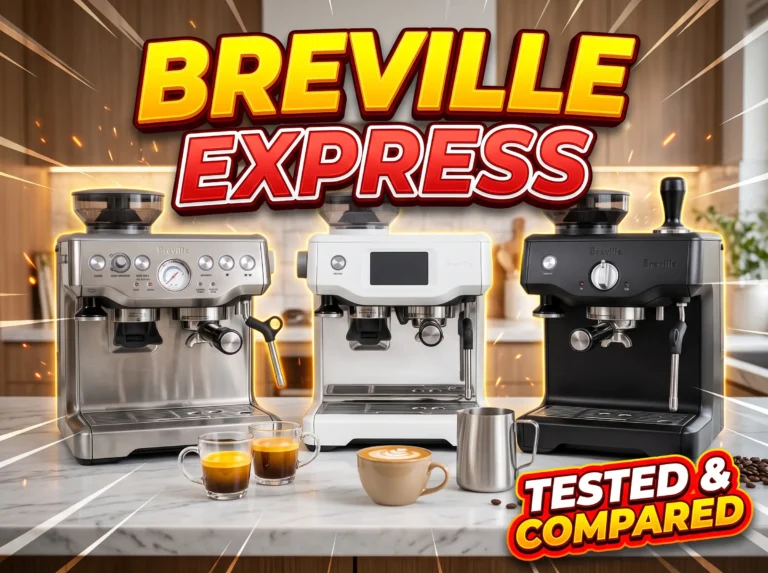
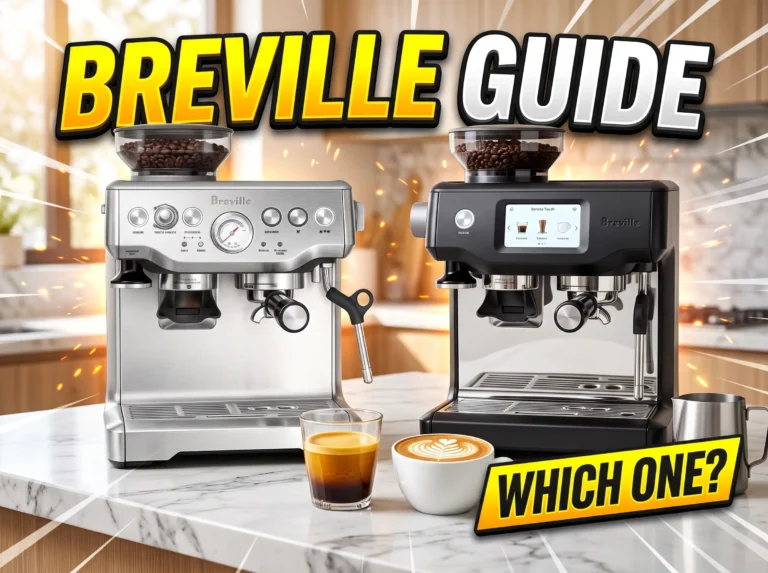
If you’ve spent any time researching home espresso machines, you’ve run into the Breville Barista Express (model BES870XL) more times than you can count. It’s one of the best-selling espresso machines in the world, and for good reason — but “popular” and “worth it for you” aren’t always the same thing.
I’ve tested this machine extensively, and this article gives you a straight answer: who it’s actually worth the money for, who should skip it, and exactly what you’re paying for versus what you’re not.
Quick Verdict
Yes, the Breville Barista Express is worth it if you want café-quality espresso at home and don’t already own a separate grinder. Its built-in conical burr grinder is what justifies the price tag — buying a comparable standalone grinder plus a basic espresso machine would often cost more, and take up twice the counter space. It’s not worth it if you’re a total beginner who just wants “coffee that tastes better than drip,” since the learning curve is real.
You can check current pricing and availability here: Breville Barista Express on Amazon.
What You’re Actually Paying For
The Barista Express typically sits in the $600–$700 range, with prices fluctuating regularly on Amazon. That’s a meaningful investment, so let’s break down where the money goes:
- Built-in conical burr grinder — grinds directly into the portafilter with dose control, removing the need to buy a separate grinder
- 1600W Thermocoil heating system — reaches brewing temperature fast and holds it consistently, which matters more than most beginners realize
- 15-bar Italian pump — more than enough pressure for proper extraction (espresso only needs about 9 bars at the puck; the extra headroom accounts for pressure loss)
- Digital PID temperature control — keeps water temperature stable within about 1°F, reducing the “one shot amazing, next shot burnt” inconsistency you get on cheaper machines
- Manual steam wand — lets you texture microfoam for lattes and cappuccinos, though this is the one area with a genuine learning curve
- 67oz water tank — large enough that you’re not refilling constantly, a small detail that matters daily
In other words: you’re paying for the fact that this is two appliances built into one housing, plus a temperature-control system that actually does what cheaper machines only claim to do.
Where It Genuinely Falls Short
No honest review skips this part. Here’s what the price tag doesn’t cover:
- Steam wand learning curve. Unlike fully automatic milk frothers, this is a manual wand. Expect your first week of lattes to look rougher than you’d like.
- Grinder maintenance. The burrs need periodic cleaning and occasional replacement (every 12–18 months with daily use), which is an ongoing cost most reviews leave out.
- Build materials. The housing mixes plastic with stainless steel. It’s durable, but it doesn’t feel as premium as machines twice the price.
- Portafilter size. The 54mm portafilter is smaller than the 58mm standard used on prosumer machines, which limits some upgrade paths (like swapping in aftermarket baskets) later on.
Breville Barista Express vs. the Alternatives
| Machine | Built-in Grinder | Approx. Price | Best For |
|---|---|---|---|
| Breville Barista Express (BES870XL) | Yes | $600–$700 | Beginners who want an all-in-one machine |
| Breville Bambino Plus | No | $300–$350 | Small kitchens, faster automatic milk texturing |
| Breville Barista Pro | Yes | $700–$800 | Faster heat-up time, same core experience |
| Gaggia Classic Pro + separate grinder | No | $450 + $150–$300 grinder | Buyers who want full manual control and upgrade flexibility |
The comparison makes the value case clearer: once you factor in the cost of a separate decent grinder, the Barista Express often comes out even or cheaper than piecing together your own setup, while saving significant counter space.
Who Should Buy It
- You want café-quality espresso, lattes, and cappuccinos at home without buying a grinder separately
- You’re willing to spend a few weeks learning to steam milk properly
- You have counter space for one machine, but not two
- You want fresh-ground consistency rather than pre-ground convenience
Who Should Skip It
- You mainly want black coffee or drip-style coffee (a good drip machine or French press will serve you better for less)
- You want zero learning curve (look at fully automatic bean-to-cup machines instead)
- You plan to eventually upgrade to a 58mm prosumer setup and don’t want the intermediate step
Final Take
The Breville Barista Express earns its price by doing the job of two machines well, not perfectly. It won’t compete with a $1,500 prosumer setup, but it also isn’t trying to. For most home users who want to stop paying $5 a day at a coffee shop and start pulling real espresso shots at home, it’s one of the few machines in its price range that doesn’t force a compromise between grinder quality and machine quality.
If you’ve read this far, you already know whether you’re the “espresso enthusiast in training” this machine is built for. If you are, this is where I’d point you:
Check current price and availability on Amazon →
Frequently Asked Questions
Is the Breville Barista Express good for beginners?
Yes, with a caveat: the espresso brewing side is beginner-friendly thanks to guided dosing and PID temperature control, but manual milk steaming takes practice. Most people get comfortable within two to three weeks of regular use.
How long does the Breville Barista Express last?
With regular descaling and grinder cleaning, many owners report 5–8 years of reliable use. The grinder burrs are the main wear component and are replaceable.
Is it worth it over a cheaper espresso machine without a grinder?
If you don’t already own a grinder, yes — the combined cost and counter space usually make the all-in-one design the better value. If you already have a quality grinder, a standalone machine like the Gaggia Classic Pro may be the smarter buy.
What’s the difference between the Barista Express and Barista Pro?
The Barista Pro heats up faster and has a slightly upgraded interface, but shares the same core grinder and pump system. The Barista Express remains the better value pick unless heat-up speed is a priority for you.
As an Amazon Associate, this site earns from qualifying purchases made through the link above, at no extra cost to you.
Keep Reading